
Behavioral Healthcare Compliance for Accreditation and Regulatory Requirements: Updates and Resources
In today’s dynamic regulatory environment, up-to-date information and resources are critical for ongoing regulatory compliance. Our team will help you stay on top of JC and CMS behavioral healthcare compliance updates so your organization can ensure continuous regulatory readiness.
See behavioral healthcare compliance posts below from our recent newsletters and access our newsletter archive and behavioral healthcare industry links.

Three Fresh Ways to Look at Quality Improvement
For Healthcare Quality Week, try turning a few familiar quality practices on their heads. October 18–24 is Healthcare Quality Week, an opportunity to recognize the professionals who lead quality and safety efforts—and the clinical and operational teams who put...

When Technology Becomes Part of Behavioral Healthcare: Are You Ready?
Digital tools are moving beyond scheduling, documentation, and telehealth. Some are now part of treatment itself—creating new opportunities and new considerations for behavioral health leaders. Technology has been part of behavioral healthcare for years. Electronic...
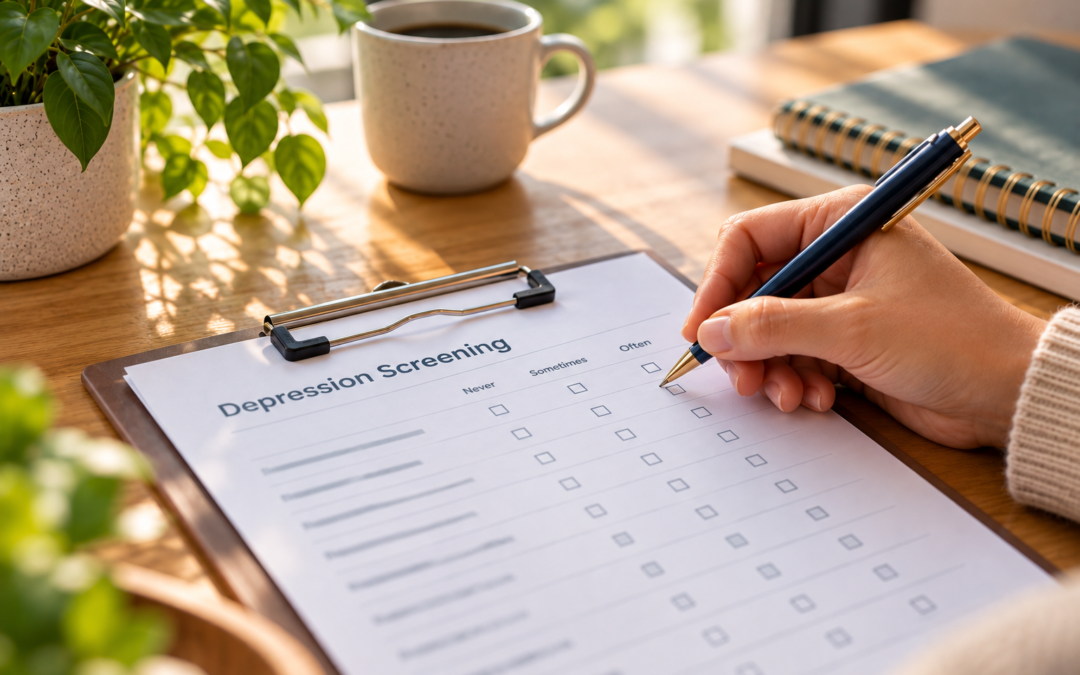
Depression Screening Is Common. Are We Getting Enough Value From It?
Depression Awareness Month is an opportunity to look beyond screening rates and ask whether screening is improving care. Nearly 20 million U.S. adults experienced a major depressive episode in 2025, according to the newly released National Survey on Drug Use and...

How Do You Know Your Behavioral Health Program Is Producing Meaningful Recovery Outcomes?
September is National Recovery Month, and we want to begin by applauding the behavioral health providers and care teams whose work is making a meaningful difference in the lives of individuals and families. There is encouraging news to celebrate. This July, SAMHSA...
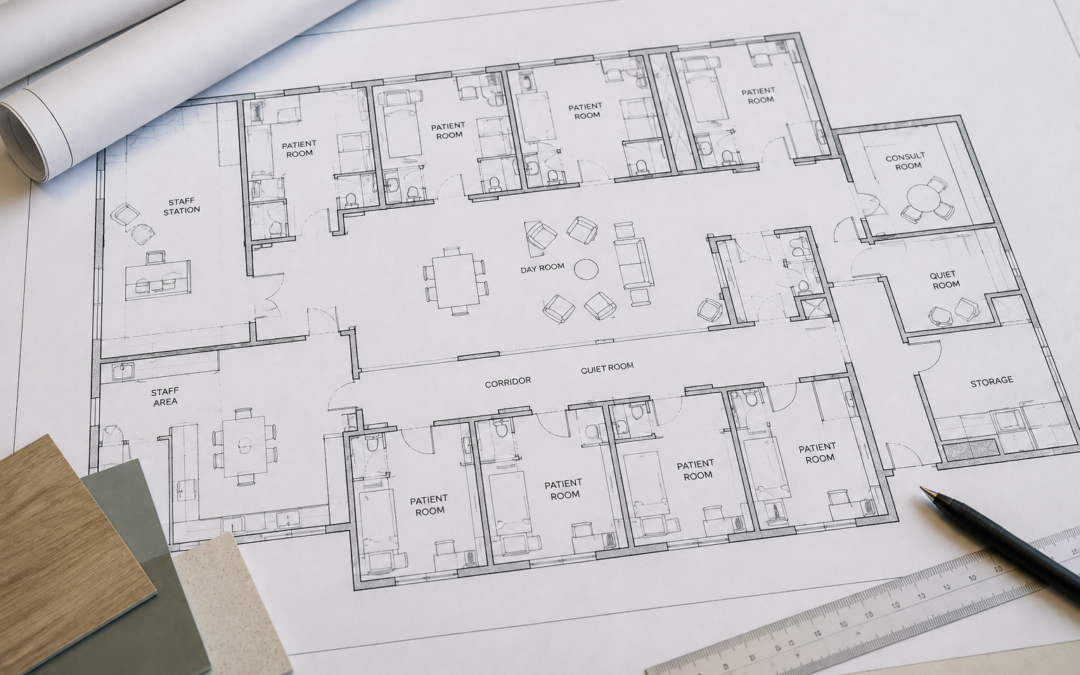
Could Equipment Placement Create an Accreditation Problem Before Your Facility Even Opens?
A piece of equipment can fit perfectly on the plans and still be completely wrong for a behavioral health environment. Healthcare construction already requires careful coordination of equipment, utilities, accessibility, infection prevention, life safety, clinical...

Your Telehealth Program Is Working—But Is It Survey-Ready?
For many behavioral health organizations, telehealth has become part of everyday operations. What began as a response to the COVID-19 public health emergency is now an established method of delivering psychiatric evaluations, therapy, medication management, and other...

Is Your New Space Ready for Clients? The Importance of a Behavioral Healthcare Workflow Assessment
Walking into a newly constructed or renovated behavioral health unit or space is exciting. The paint is fresh, the equipment is in place, and months—or years—of planning have finally come together. But before the first client arrives, leadership should ask one...

Behavioral Health Documentation: If It Isn’t Documented, It Didn’t Happen
Behavioral health professionals don't enter the field because they enjoy documentation. They enter because they want to help people. Yet one of the most common issues Barrins consultants continue to observe during mock surveys and accreditation assessments has very...

Does Your Budget Reflect Accreditation Survey Readiness?
Budget season is almost upon us, and it is one of the few times each year when behavioral health leaders can step back from day-to-day operations and decide where to invest limited resources. Sometimes, accreditation survey readiness doesn't always make the final cut....
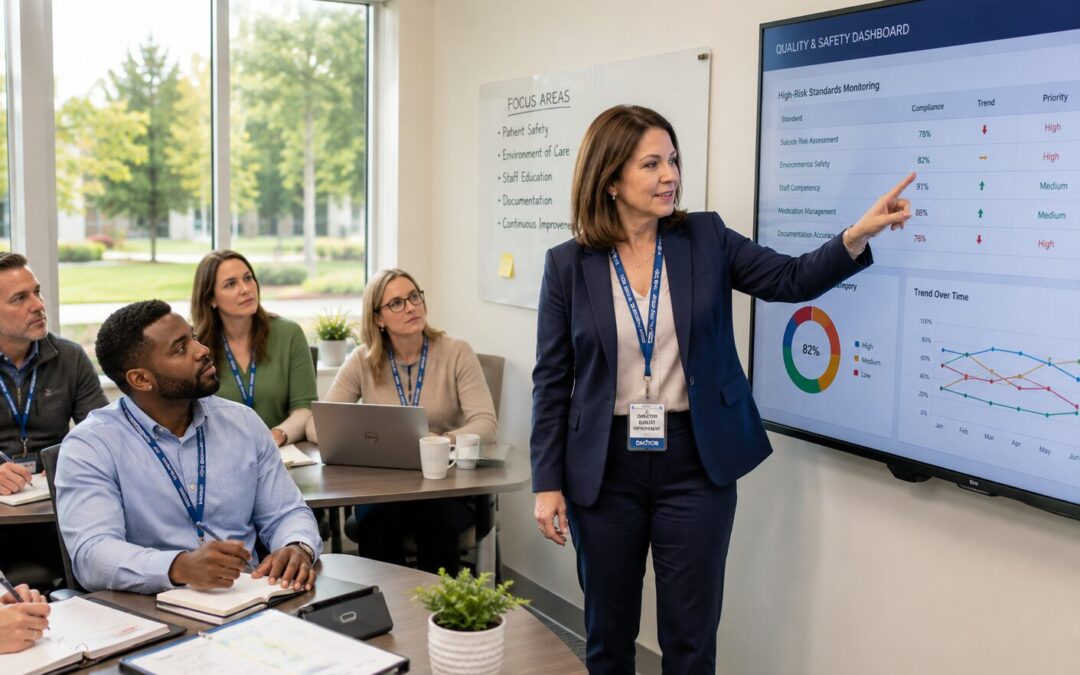
Behavioral Health Survey Findings: Are You Monitoring Your Highest-Risk Standards?
Every accreditation survey provides valuable insight into where behavioral health organizations continue to struggle. In the June issue of JC News, the Joint Commission highlights several behavioral health standards that continue to receive the highest-risk survey...